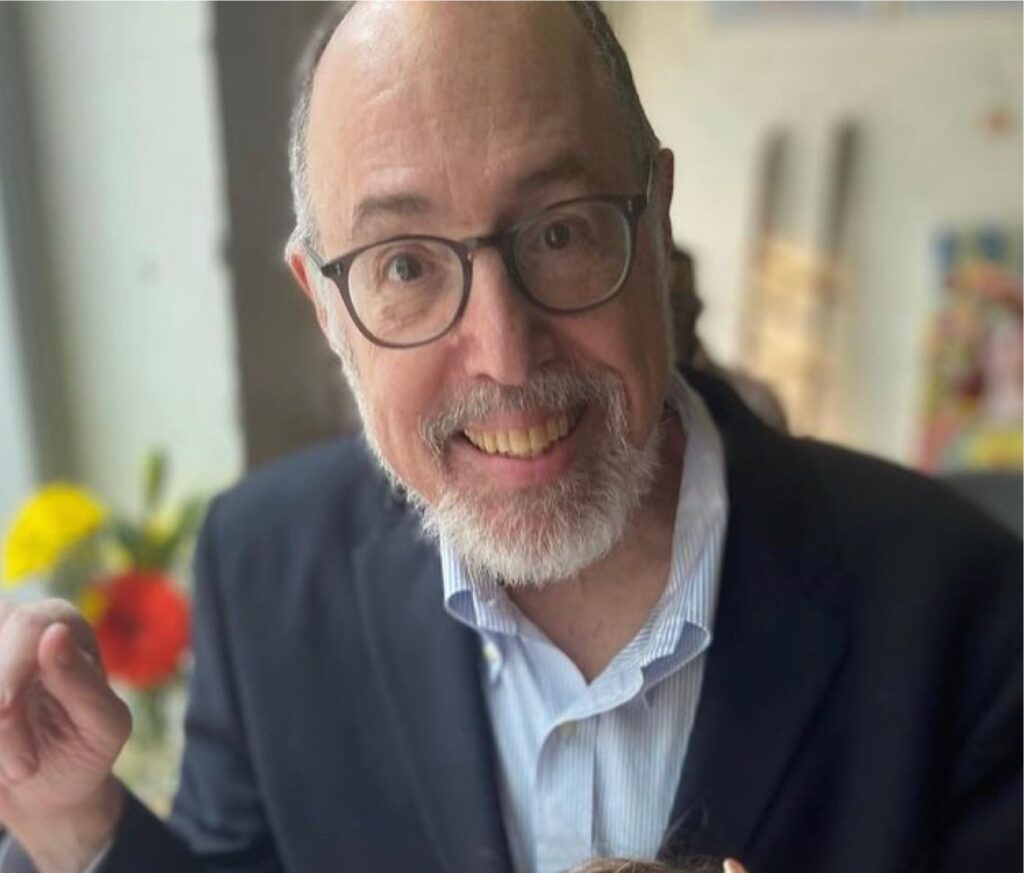
I am a clinical and forensic psychologist in private practice on Telegraph Road in Bingham Farms, Michigan. My practice is named Larry M. Friedberg, Ph.D., LLC. I have been in private practice since 1981, focusing on treatment of children, adolescents, and adults, as well as psychological assessment and forensic psychology.
This site’s goal is to provide information about me and my practice, as well as some other useful information, including links to web sites which may be of help to you.
A Breadth and Depth of Experience
As a clinical and forensic psychologist, I have provided professional therapeutic services to many patients and families in over 40 years in private practice. After years of study at the University of Michigan, I have remained committed to continuing professional education, service to my profession, and therapeutic help to persons with many kinds of problems. This has created a framework for reasoned and innovative work with individuals, families and couples and with the courts.
A Strong Education and Training
- Licensed Psychologist: State of Michigan, since 1987.
- Ph.D., M.A.: Clinical and Developmental Psychology, The University of Michigan, Ann Arbor.
- B.S.: Psychology, Michigan State University, East Lansing.
Professional Pursuits/Specialties
- Psychotherapy: with adults, adolescents, children, couples, and families.
- Forensic psychology: evaluations, consultations, testimony in civil, criminal, and family law matters.
- Mediation, Evaluation: in family law matters.
- Psychological evaluation, including
- Psychological testing of children, adolescents, adults and families.
- Collaborative and therapeutic assessment.
A Leader in the Professional Community
- President: Michigan Psychological Association, 2001.
- Board of Directors: Michigan Psychological Association, 1996-1998, 2000-2009.
- President: Michigan Interprofessional Association on Marriage, Divorce, and the Family, 2007-2010.
- Distinguished Psychologist: Michigan Psychological Association, 1999.
- Beth Clark Service Award: Michigan Psychological Association, 2007.
- Member: Ethics Committee, Michigan Psychological Association, 2005-2017.
- Member: Michigan Psychological Association
American Psychological Association
Society for Personality Assessment
Michigan Inter-Professional Association on Marriage, Divorce, and the Family
Association of Family and Conciliation Courts
Therapeutic Assessment Institute
Teaching A New Generation of Psychologists
Teaching and clinical supervision are great ways to keep myself current with new developments in my profession, and to encourage the growth of other professionals.
I am a Lecturer and I supervise doctoral students in Psychology at The University of Detroit Mercy while they are working at the University’s Psychological Clinic. This includes supervising treatment cases and teaching a course on assessment at the Clinic.
From 2009 to 2018 and from 2023 to present I am an Adjunct Professor of Psychology at Madonna University, in Livonia, Michigan. There, I have taught courses to graduate students in Clinical Psychology, including courses on clinical theory, treatment, psychological assessment, and child and adolescent psychopathology.
In 2022 I taught a course on Personality Assessment to doctoral students in Psychology at the Michigan School of Psychology in Farmington Hills, Michigan.
I have also, for many years, provided consultation and supervision to limited-license and fully-licensed psychologists in private practice.
Presentations
Sharing My Experience with Colleagues and Other Professionals
Through presentations to colleagues and other professionals, I have shared my experience to extend the reach of my insights into helping individuals and families.
I have presented to psychologists at meetings of the Michigan Psychological Association, the American Psychological Association, the Society for Personality Assessment, and the Michigan Council for Psychoanalysis and Psychotherapy.
I have presented to the Michigan Psychological Association and other organizations on ethical issues involved in serving as a psychotherapist with Court-Involved individuals and families and on other topics (e.g., Psychological Assessment of Children, therapeutic assessment).
I have presented on forensic psychology in Family Law matters to many organizations, including: the Michigan Inter-Professional Association on Marriage, Divorce and the Family (MIPA), the American Academy of Matrimonial Lawyers (Michigan Chapter), the Society for Personality Assessment, the Oakland and Wayne County Circuit Court judges and referees, the American Bar Association- Family Law Section, the Michigan Bar Association-Family Law Section, the Oakland County Bar Association, the Wayne County Bar Association-Family Law Section, and the Michigan Trial Lawyers Association.